
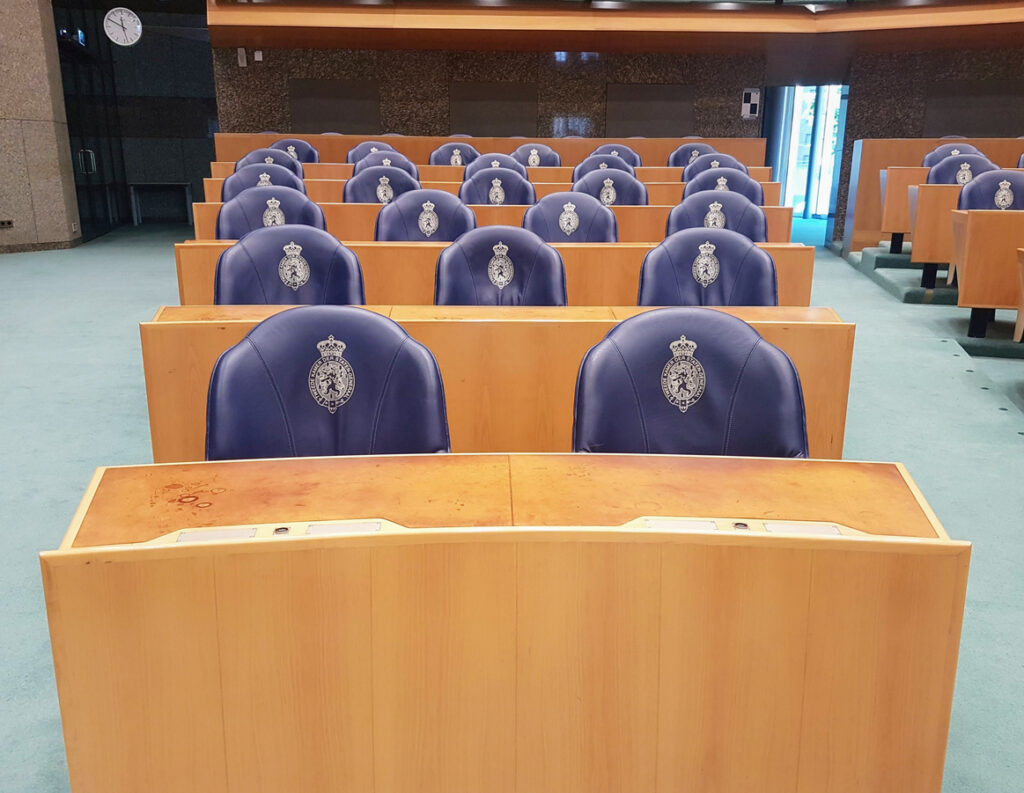
Today, the Dutch House of Representatives passed 2 bills. The first implements the EU’s NIS2 Directive, known locally as the Cyberbeveiligingswet (Cbw). The second is the Critical Entities Resilience Act (Wet weerbaarheid kritieke entiteiten, Wwke), which implements the European Critical Entities Resilience (CER) Directive.
The adoption of this legilation mark a significant step for the Netherlands towards strengthening the digital and physical resilience of organisations and government entities against rising threats. Additionally, the House voted on several motions and amendments; the results will be available on the House of Representatives’ website (Dutch).
International and Dutch Context
The Cyberbeveiligingswet (Cbw) and the Critical Entities Resilience Act (Wwke) transpose the EU’s NIS2 and CER Directives into Dutch law, reinforcing cybersecurity and resilience requirements for essential sectors nationwide. These laws impose stricter obligations on Dutch government bodies and critical infrastructure operators to manage cyber risks and report incidents, directly affecting how digital public services are secured and maintained.
The Cbw sets cybersecurity standards for organisations, while the Wwke ensures that critical sectors, such as energy, water, and transport, are better prepared to withstand disruptions, which is crucial for the continuity of public services in the Netherlands.
Legislative proposals move to the Senate
Now that the House of Representatives has approved the proposals, the Senate will begin its review. Reports on both proposals are expected to be published, after which the government will issue a memorandum. Following this, a plenary debate is anticipated. The Senate will determine all subsequent steps and their scheduling. Once the Senate also approves the proposals, the parliamentary process for these legislative proposals will be complete. The government aims to implement the Cbw, the Wwke, and the associated secondary legislation simultaneously in the second quarter of 2026. The feasibility of this timeline depends on the progress of the parliamentary process.
Implementation of the laws through regulation
Alongside the parliamentary process, efforts are in progress to develop the underlying regulations. At the same time, ministerial regulations are being crafted. They will offer detailed, sector-specific guidance on the Cbw, the Wwke, the Cybersecurity Decree, and the Critical Entities Resilience Decree.
The full announcement about the adopted legislative proposals for the Cbw and Wwke is available in Dutch on the NCTV’s website.


