
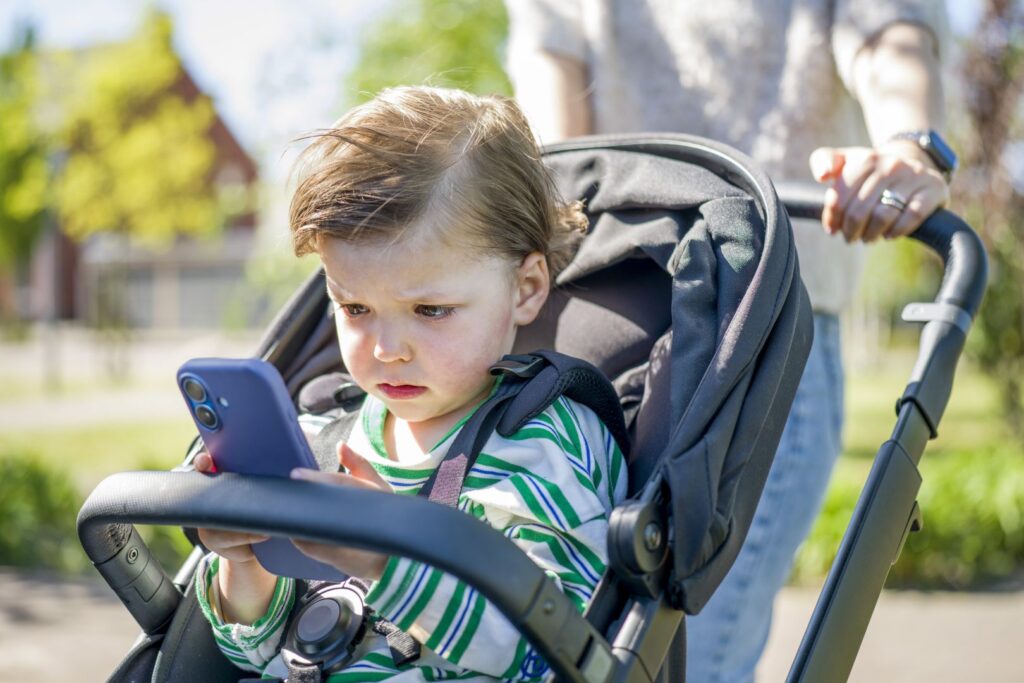
 With the Strategy for Children’s Rights Online, the cabinet presents a comprehensive approach to better protect children online. The strategy focuses on stricter rules for digital services, a minimum age for social media across Europe, and support for parents and children. Several ministries are collaborating on this initiative.
Key measures of the strategy
The government wants children to benefit from all the opportunities the online world offers without being exposed to risk. The following measures are part of this approach:
-
Stricter rules for digital services
European laws, such as the Digital Services Act (DSA), already include rules on children’s privacy and safety. Where these do not provide sufficient protection, the government is working with other Member States on new rules. The proposed EU KIDS Act, for example, would introduce stricter safety requirements for digital services. This would include a ban on addictive techniques and measures to prevent unwanted contact.
-
Child Rights Impact Assessment
Through Child Rights Impact Assessments (CRIAs), the government is assessing services such as Netflix, YouTube, Roblox, Fortnite, ChatGPT, Instagram, Snapchat and TikTok. The assessments examine the impact these services have on children’s wellbeing. This practical tool helps companies and regulators make digital services safer for children.
-
A European minimum age
Together with Spain, the cabinet is calling for a European minimum age for certain digital services, with as few exceptions as possible. Companies must demonstrate that their services are safe and comply with the rules. Children’s privacy must also be protected during age-verification processes. The European Commission has included this proposal in the EU KIDS Act. The cabinet will provide a detailed response by the end of October.
-
Mobile phones in schools
The cabinet intends to tighten the existing agreement regarding mobile phones in schools so that it applies to all schools. The Minister for Education and Emancipation is making arrangements with the education sector on this matter. The goal is for the ‘Thuis of in de kluis’ (‘At home or in the locker’) agreement to come into effect on 1 January 2027.
A safe and healthy online world
Minister Aerdts (Digital Economy and Sovereignty): “Online, whether on social media or in video games, children quickly lose sight of reality and face unacceptable risks. These include addictive algorithms, harmful images and unwanted contact. Through its strategy for children’s rights online, the government is working towards a safe and healthy online world for all children.”
Involving parents and children
In addition, the cabinet provides parents with information and practical tips on using digital services and devices.
Consultation on proposed EU KIDS Act
Interested parties are invited to submit their feedback by 26 November 2026. The EC will summarise all responses and present them to the European Parliament to inform the legislative debate. If adopted, the proposal will apply throughout the EU.


